From Zero to $30k Monthly Revenue: The Unlikely Journey of a Side-Project Hustler
How does a programmer starting from zero build a side hustle that eventually generates $30,000 a month in passive income? For Dmitri, the answer wasn't a lucky break or an overnight viral hit. It was a grueling two-and-a-half-year journey of balancing a demanding full-time job with a persistent itch to build something of his own.
Imagine working just 20 hours a week while watching $30,000 flow into your account every month with an 80% profit margin. Dmitri lived this reality for months, traveling the world without having to report to a single soul. But before you envy the lifestyle, you have to understand the price he paid to get there.
The timeline was anything but glamorous. For the first six months, Dmitri had a product but no idea how to monetize it. Between months seven and eighteen, he finally started charging, but it took an entire year just to earn his first $1,000. It wasn't until the 31st month that the revenue rocketed from $10,000 to nearly $28,000 per month.
Dmitri’s core strategy was simple yet disciplined: never quit your day job too early. He noticed many entrepreneurs quit their jobs, give themselves a six-month window to succeed, panic when they fail, and move back into the corporate world. A stable salary, he argues, provides the financial runway needed for true exploration without the crushing weight of immediate survival.

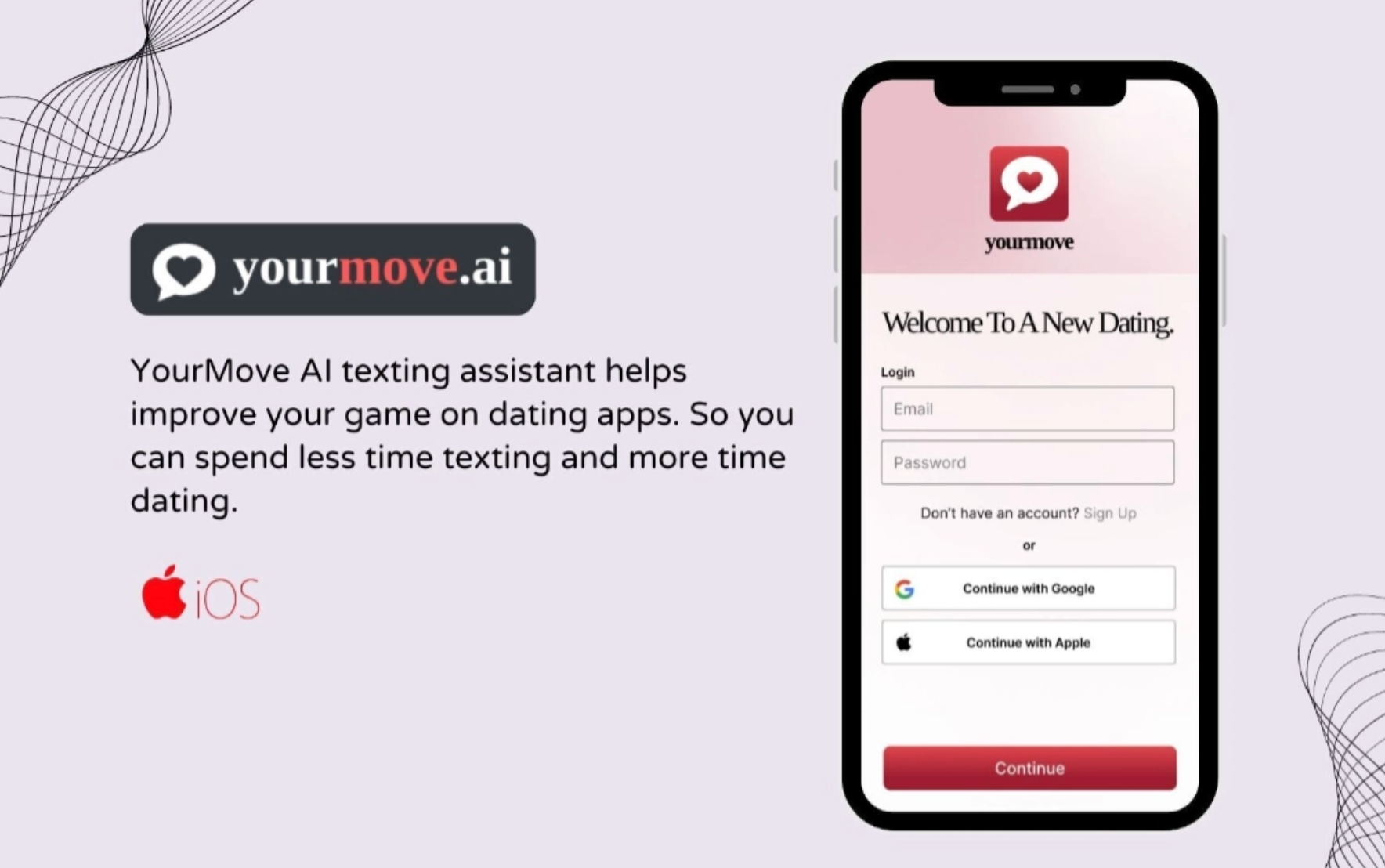
The idea for his business, Your Move AI, actually started as a drunken joke at a party back in 2022. At the time, Dmitri was a data science manager at OpenDoor. While chatting with friends, he lamented his own lack of "game" on dating apps. He wondered aloud if he could use AI to help him talk to girls.
The next morning, nursing a slight hangover, he actually sat down and built it. Using the early GPT-3 model, he created a basic webpage where a user could paste a message they received, and the AI would generate three clever replies. When he showed it to his friends, the reaction was immediate. Unlike his previous failed projects where he had to beg people to try them, this time, people were begging him for access.
This was the ultimate signal of market fit. He expanded the tool to include profile optimization, photo analysis, and even AI-generated portraits. He realized that dating apps had turned everyone into unwilling marketing experts, and he was simply providing the toolkit to help them compete.

Interestingly, while the product eventually landed in major outlets like CNBC, The Washington Post, and Wired, these high-profile media mentions didn't actually bring in many users. One television appearance brought in less traffic than a single average Reddit post. However, the media coverage served a deeper purpose: it gave his website massive domain authority.
With the backing of these reputable links, his SEO efforts took off. He began targeting low-competition, high-intent keywords like "best morning texts for your crush." Today, SEO drives nearly 50% of his traffic, bringing in 50,000 monthly visitors at zero advertising cost.
Dmitri also mastered the art of "managing up" from his corporate career. Instead of grinding alone on weekends, he used his high six-figure salary to hire a team of ten part-time freelancers on Upwork. He had a frontend developer, an SEO expert, and even a customer support person for five dollars an hour.
This allowed him to treat his business like an experiment. Because he had a full-time salary, he could afford to lose money on his side hustle for the first 18 months. He wasn't just buying their labor; he was buying their expertise and the freedom to fail until he found what worked.
Out of twelve different product ideas he tested, only four survived. He learned that a successful first product must be a "painkiller" rather than a "vitamin." A vitamin makes life slightly better, but a painkiller solves a problem the user is desperate to fix right now—like the anxiety of what to say to a match on a dating app.
Dmitri finally quit his job only when his side hustle income began to rival his corporate salary. As Your Move AI hit $20,000 a month, OpenDoor announced a round of layoffs. He walked away with a severance package and a business that was already thriving. It was the perfect exit.
A few months ago, Dmitri sold Your Move AI for an undisclosed sum. The project took two and a half years of his life, but it fundamentally changed his future. His story serves as a realistic roadmap for any employee with an entrepreneurial dream: don't quit, build slowly, use your salary to leverage others' time, and keep testing until you find the painkiller the world is waiting for.
If you are currently working on a side hustle, what is the biggest hurdle you’re facing? Are you willing to embrace the "slow grind" to reach that 2.5-year mark?