From Struggle to $30K MRR: The 48-Hour Pivot That Changed Everything
In the middle of the AI boom, many entrepreneurs are asking the same question: Can a small team, or even a solo developer, still build a product that achieves a stable, significant MRR?
The answer is a resounding yes. But the path to success isn't paved with massive funding or aggressive ad spend. Instead, it relies on a disciplined product strategy, high-density user communication, and content-driven growth.
Richard Wang is a prime example of this philosophy in action. A former engineer at a leading tech firm, he walked away from the corporate ladder to become an independent developer. He didn't do it to chase a trend; he did it because he realized that AI isn't just an upgrade—it is a fundamental restructuring of how the internet works.

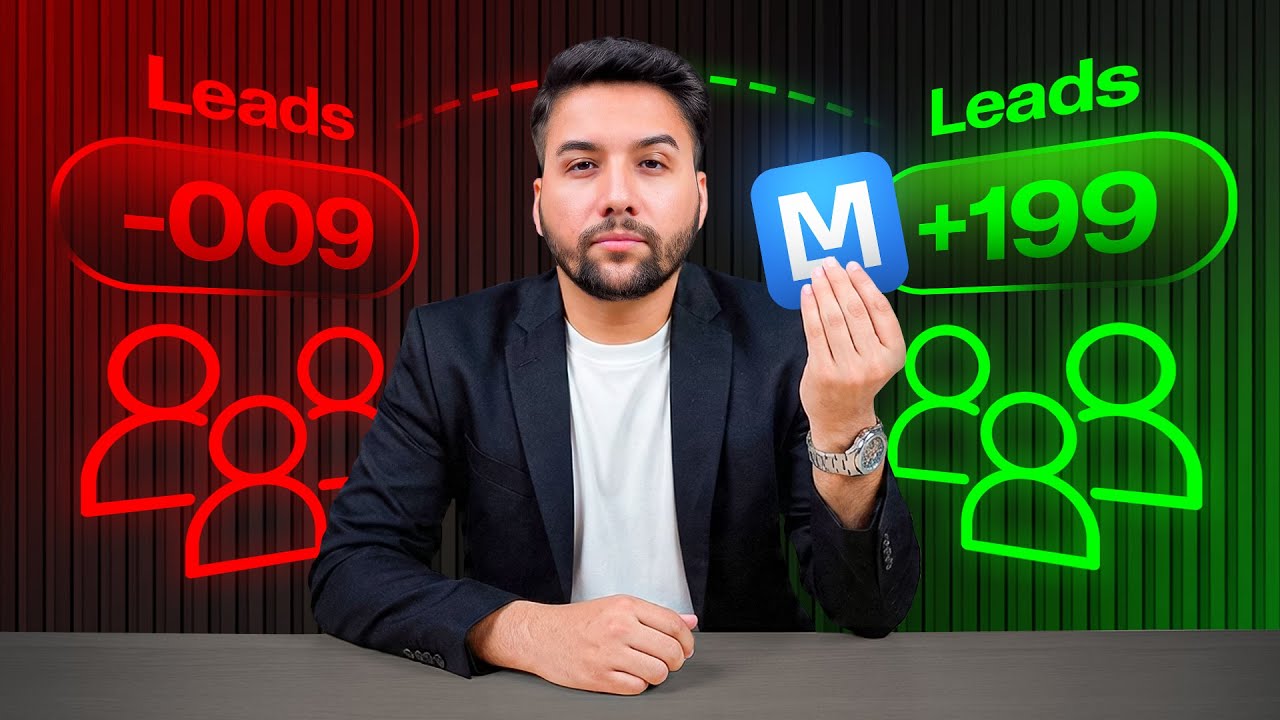
Today, Richard manages three products, most notably Leadmore AI, a B2B marketing tool focused on community engagement that has already surpassed $30,000 in monthly recurring revenue.
Richard’s methodology begins with extreme restraint. His first rule? Don't write a single line of code until the idea is validated. He doesn't wait for "inspiration" to strike; he observes the market. He looks for recurring problems in social discussions and community behaviors where people are actively seeking solutions that don't yet exist.
Before building anything, Richard "simulates" the product. He shares demos, concepts, and ideas on social platforms to see if they attract real interest. He talks to 50 to 100 potential users, conducting deep interviews to identify true pain points rather than imagined ones. Most importantly, he tries to verify if people are actually willing to pay.
When it finally comes time to build, he aims for a minimal viable product (MVP) that can launch in one to two weeks. His principle is simple: if one feature is enough to solve the problem, don't build a second one. In the AI era, speed is the ultimate moat.

Interestingly, Leadmore AI uses a credit-based pricing model rather than a traditional subscription. Users buy credits for specific actions like posting or data exploration, and unused credits are refundable. This lowers the psychological barrier for new users and keeps the focus where it belongs: on retention. Richard believes that if users aren't coming back, the problem isn't your marketing—it’s the product's value.
His technical stack is built for efficiency rather than vanity. Using a combination of Next.js, Go, and Serverless functions, he maintains high development speed with almost zero maintenance overhead. This lean architecture allows him to focus on what matters most—doing less, but doing it better.
As a product grows, the temptation to add more features to match competitors is immense. Richard argues that a small team’s true strength is the ability to say no. If he could start over, he admits he would have cut his initial MVP from three features down to just one.
Growth for Leadmore AI is organic and relationship-based. Instead of traditional ads, Richard focuses on high-quality content on platforms like Reddit. He shares industry insights and practical experiences, building trust before he ever tries to sell a product. Once a user shows interest, he moves the conversation to a private channel, turning a transaction into a long-term relationship.
For those looking to follow in his footsteps, Richard offers three pieces of advice. First, spend more time studying users than writing code. Second, recognize that growth and operations are now just as important as engineering. And finally, don't chase every hot trend; double down on your own unique advantages.
Richard is currently scaling Leadmore while preparing to launch a new marketing tool focused on Generative Engine Optimization (GEO). His story isn't a myth of overnight success; it is a blueprint for consistent, calculated growth. It proves that in the world of global SaaS, being precise and staying focused is the most effective way to win.